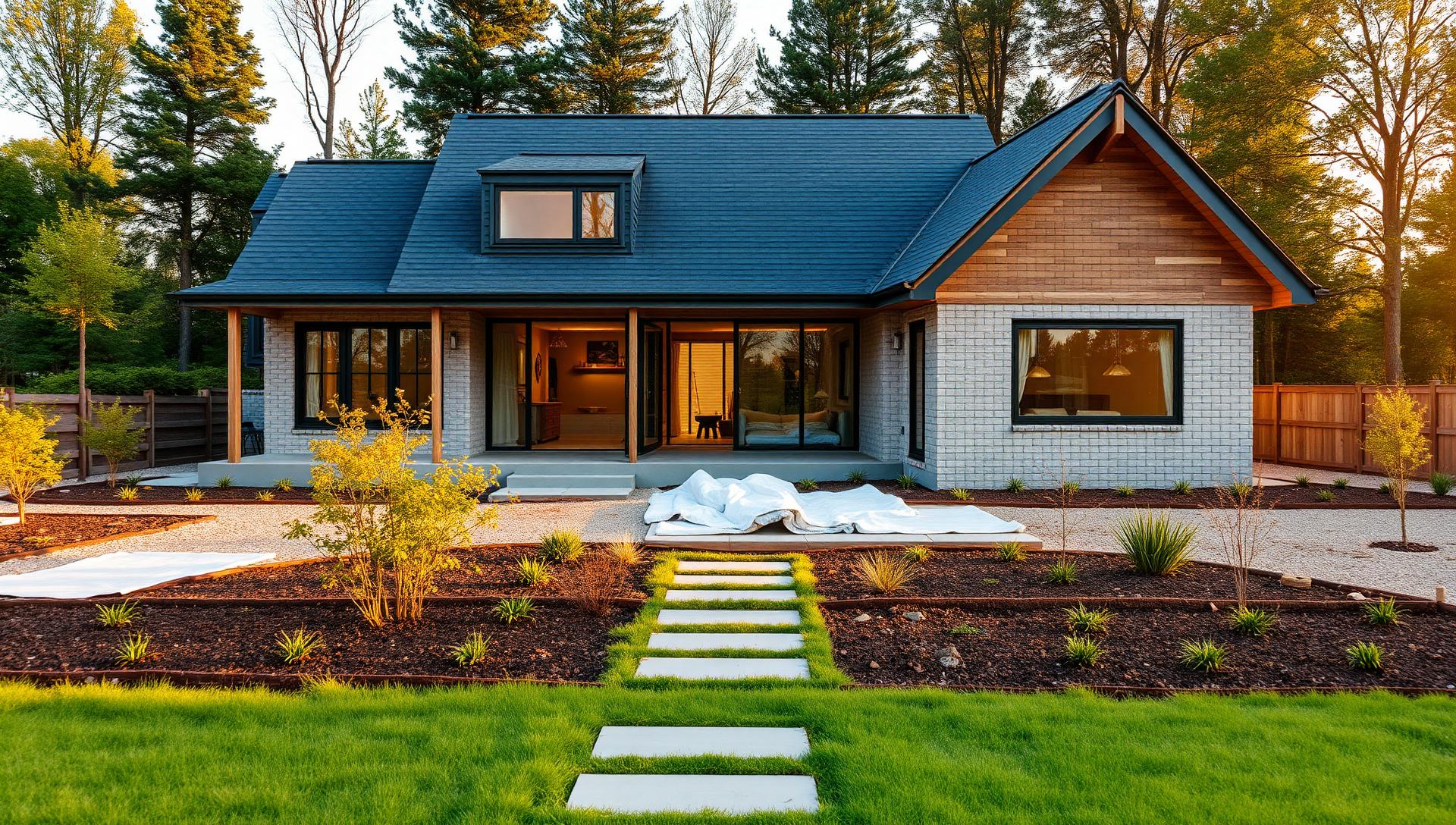
Article No: 6 — Planning & Building
How to Build Your Dream Home
and Garden Landscapes
The order of work that separates a garden that lasts from one that gets rebuilt in three years — planning, levels, drainage, hard landscaping, planting, lighting and staging.
Photo feature
Five stages from plan to finished garden
Large format photography following a dream home and garden from drawing board through to the finished landscape.
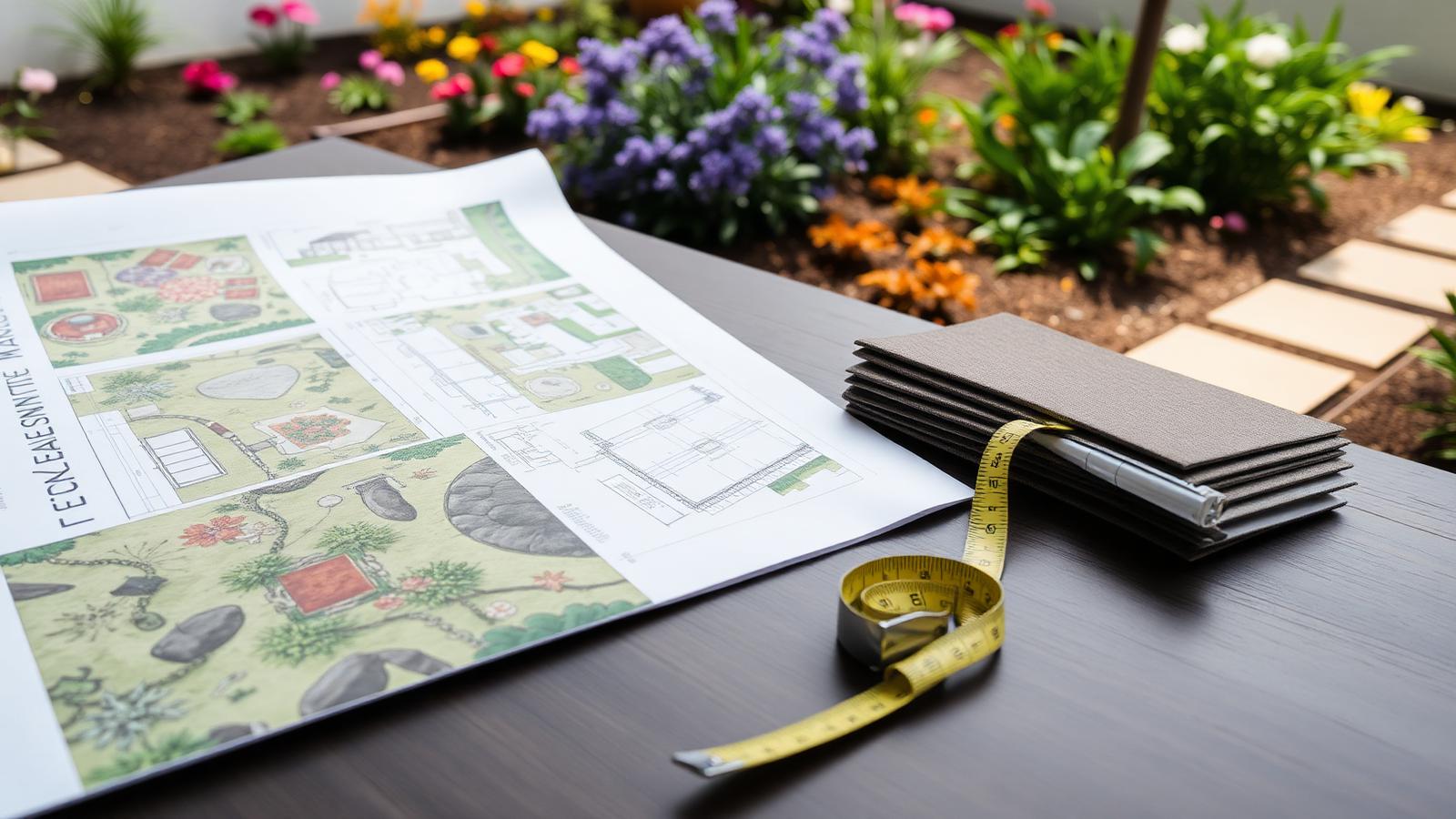
Every dream garden starts on paper, not in a nursery. Measure the site, mark what has to stay — trees, drainage, boundaries, the view — then plan the zones before you choose a single plant. An afternoon spent on a scale drawing routinely saves five figures in rework, because it forces the hard decisions before anything is concreted in.
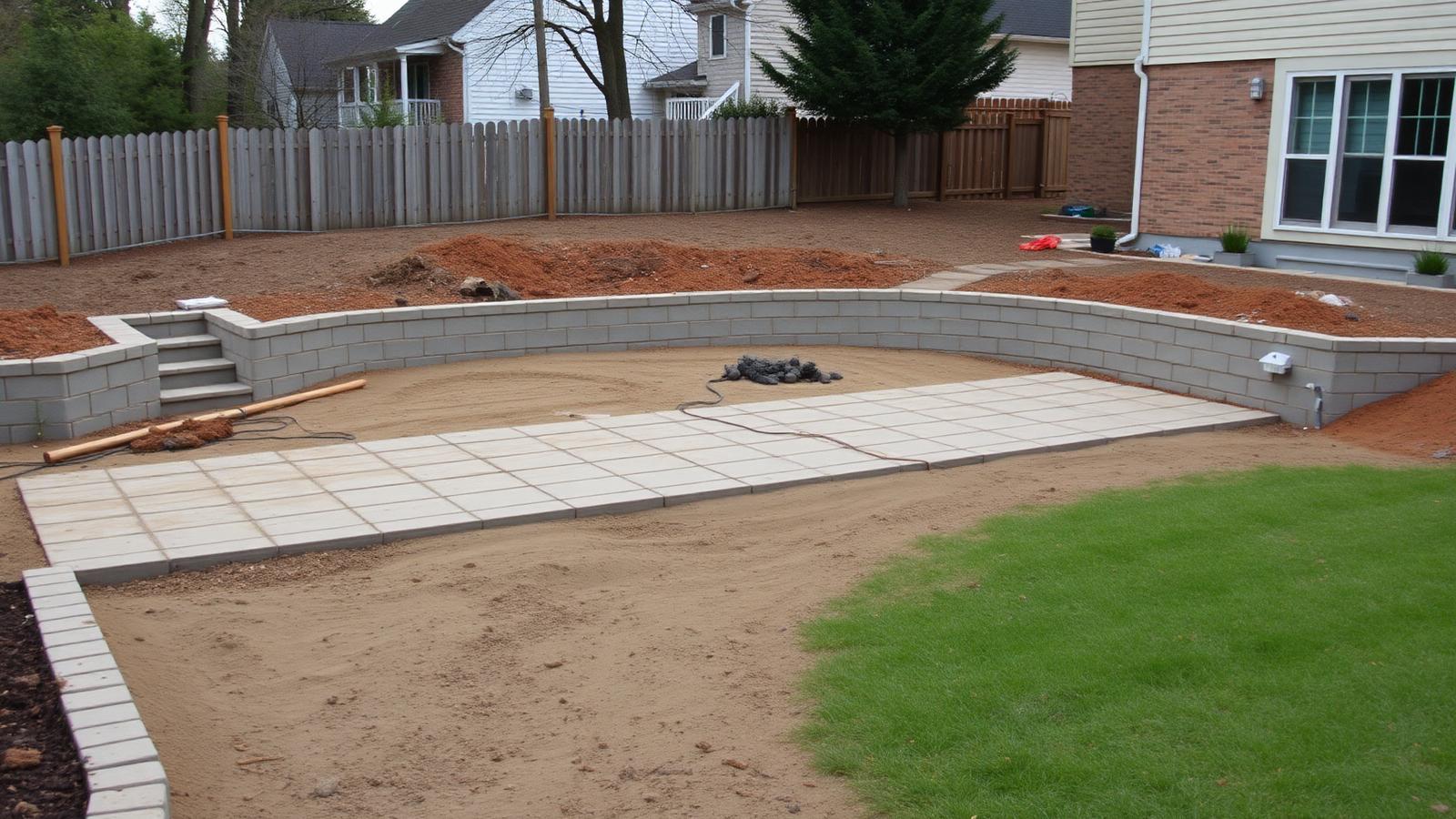
Get levels, drainage and services right first
The invisible stage is the one that determines whether the finished garden lasts. Set your finished levels, fall water away from the house, install ag lines and pits, and run every conduit you might ever need — pool, lighting, irrigation, outdoor kitchen, future studio — before anything is paved. Nothing is more expensive than cutting a new trench through a finished terrace.
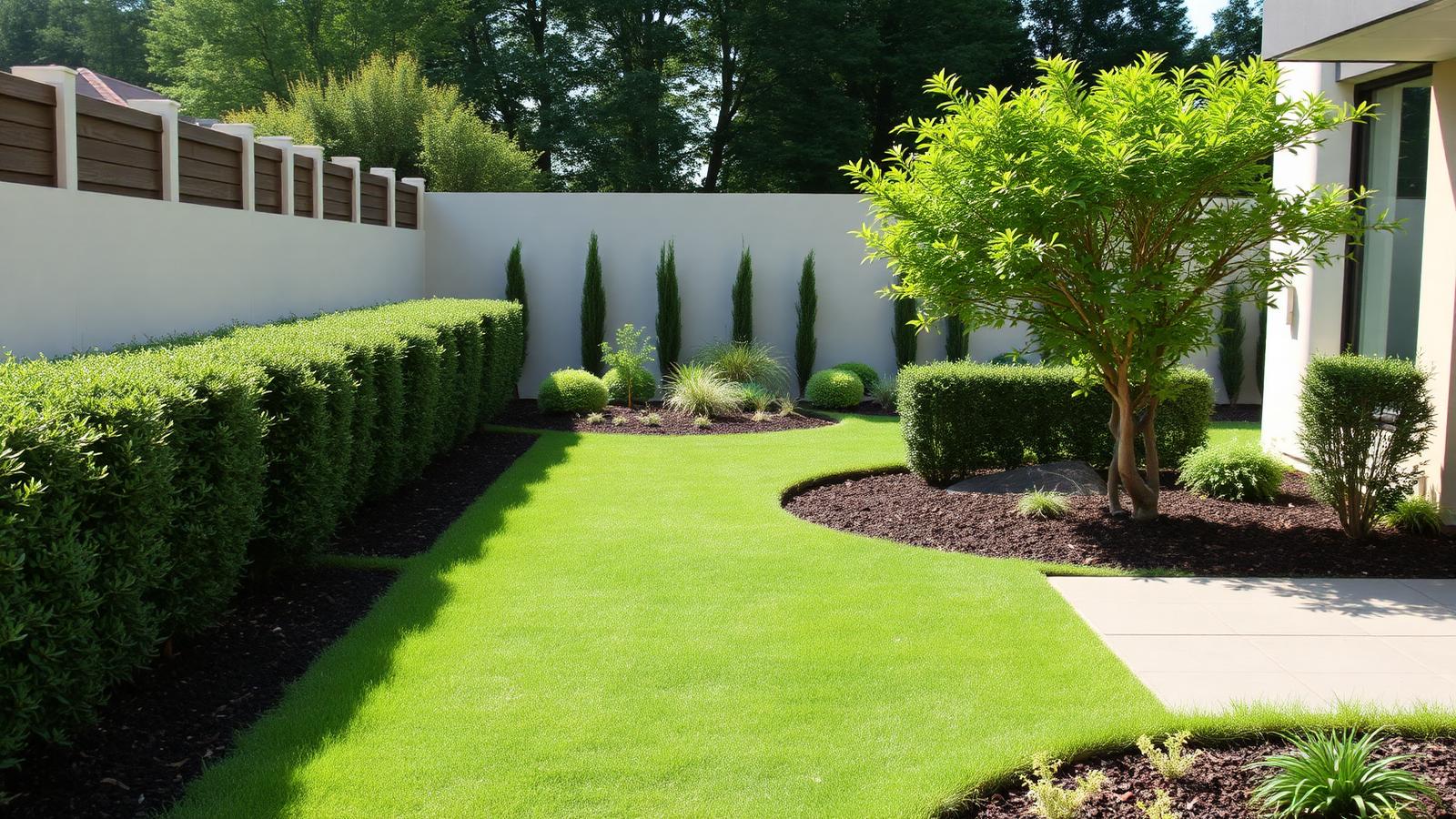
Plant for the garden you will have in five years
- Structure first: hedges, screening and one or two feature trees set the frame; everything else is filler.
- Spacing: plant at mature spacing and accept it looks sparse for two seasons. Crowded gardens fail early.
- Irrigation and mulch: drip lines under 75mm of mulch cut water use and weeding dramatically.
- Soil: spend the money here rather than on bigger plants — good soil catches up within a year.
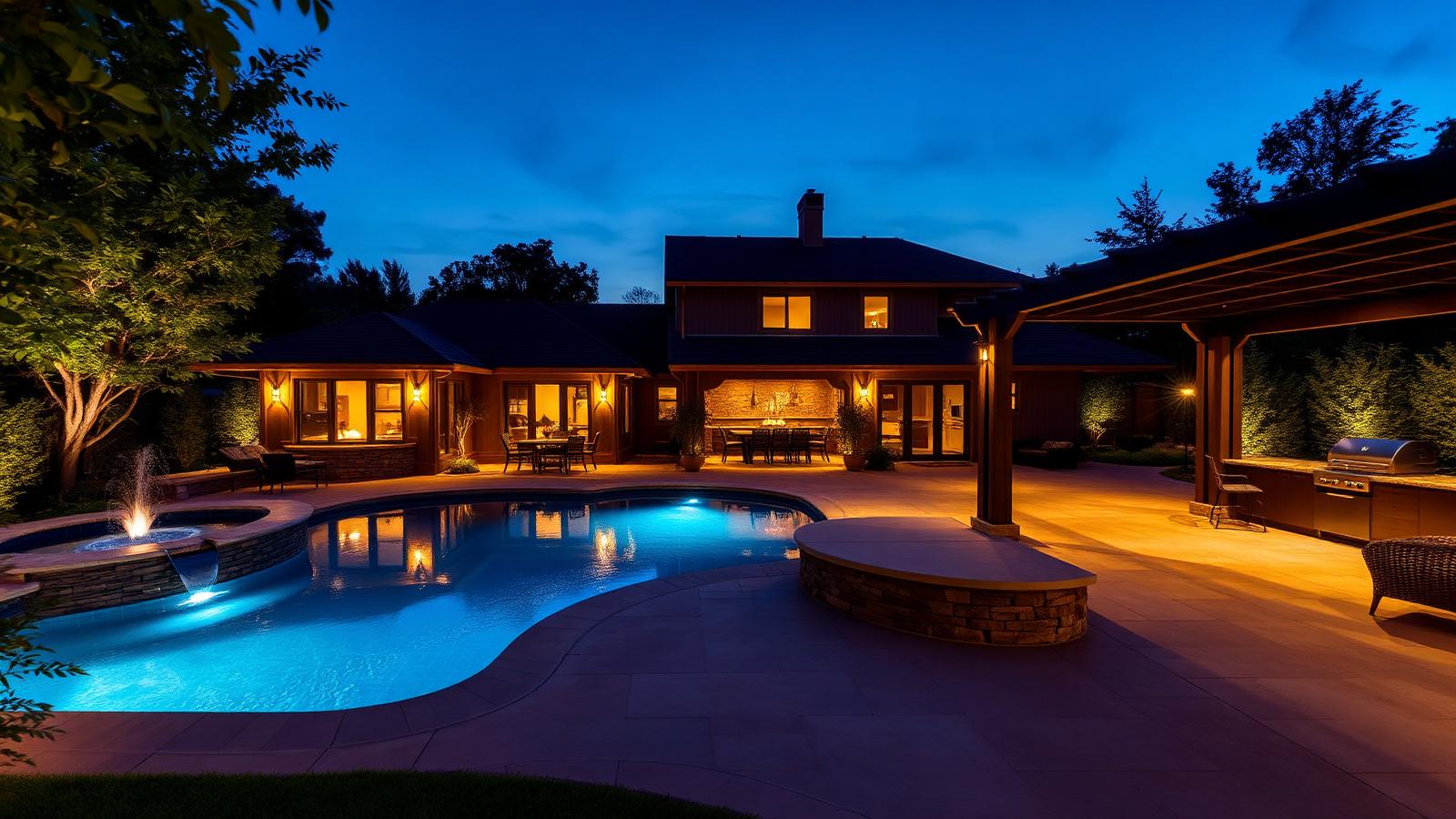
Lighting, cover and the outdoor kitchen
The final layer is what makes the garden usable after five o'clock: warm low-level garden lighting, a covered dining and lounge zone, and a cooking bench with power, water and shelter. Do these three things and the garden stops being scenery and becomes the part of the house you use most.
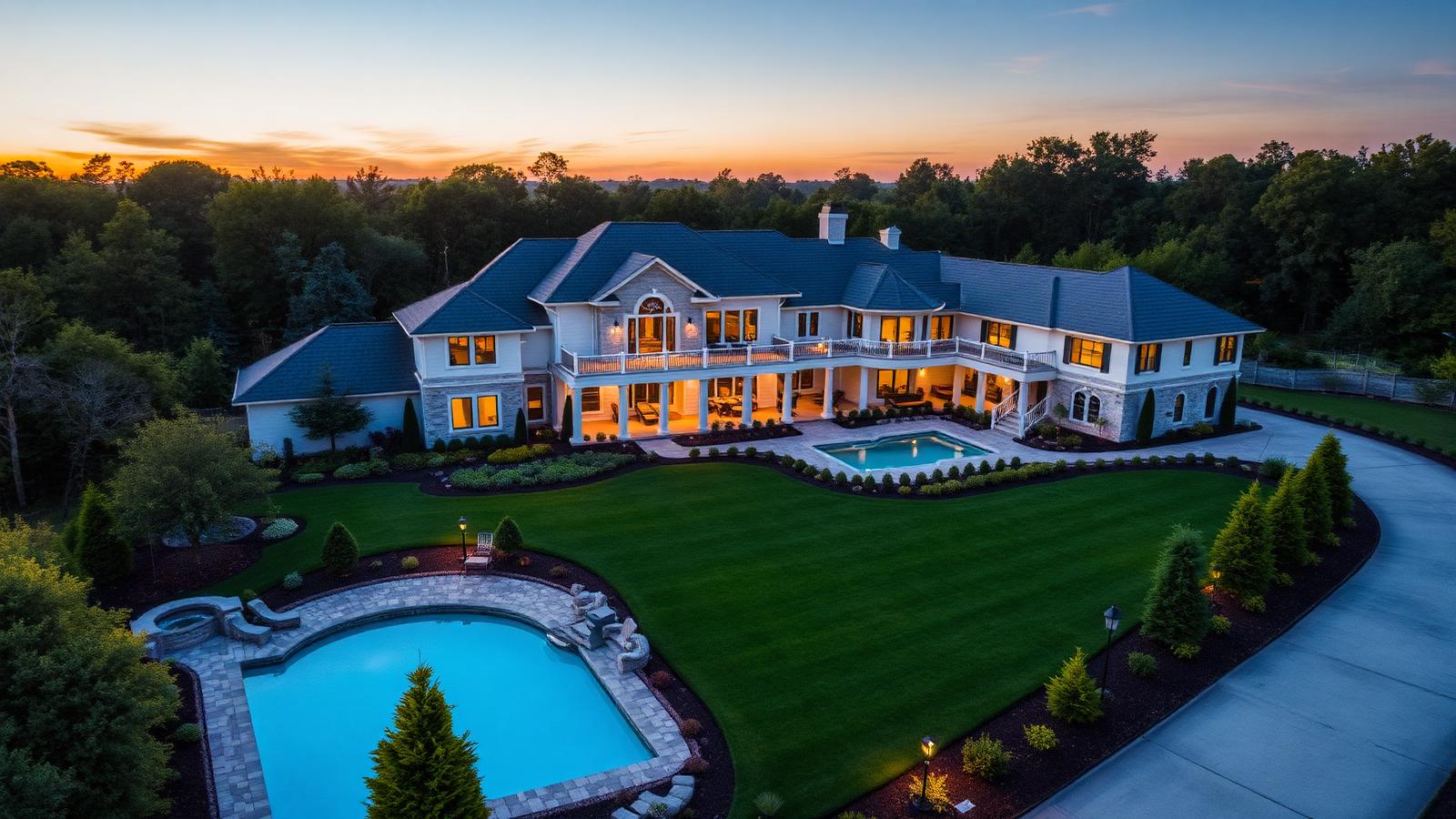
Build it in stages, not all at once
Almost nobody builds a whole landscape in one go — and you do not need to. Lock in the master plan, then stage the work: levels and services, then paving and structures, then pool, then planting, then lighting and furniture. Because every stage was drawn against the same plan, the finished result looks like one design rather than five compromises.